By Sebastian Barton
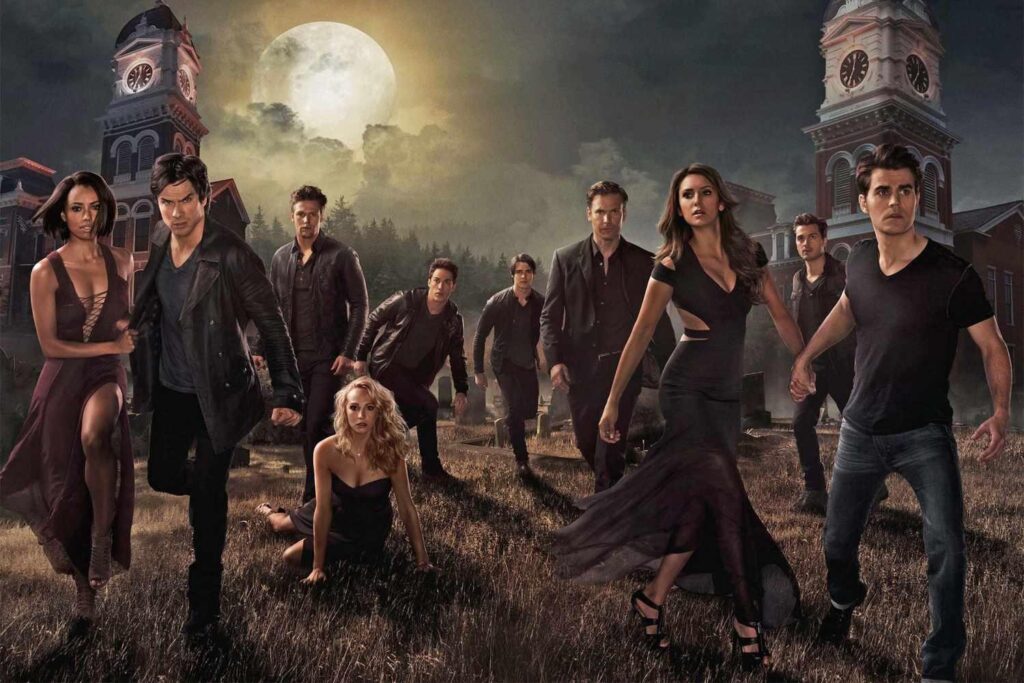
When The Vampire Diaries premiered in 2009, it caught the attention of die-hard vamp fans. It aired shortly after the Twilight saga, but unlike the sparkly, rock-hard vampires we see in that series, The Vampire Diaries goes back to original vampire lore, only more magically enhanced. Its mix of sexy vampires, witches, and werewolves invites viewers into a world of danger and desire, an escape from the problems off the screen. Yet beneath these supernatural characters are a range of real-life issues, such as traumatic experiences and struggles with mental health. While it’s good to have these issues represented, the show ultimately portrays them in dangerous ways. The Vampire Diaries has a problem with deflecting and dealing with mental health; it portrays the idea that love can heal deep emotional wounds. While we never see characters dealing with their issues by seeking professional help, we see them disappear from the show and return differently, ultimately giving the wrong message to viewers.
The Vampire Diaries is set in Mystic Falls, Virginia. It introduces us to 17-year-old Elena and her childhood friends Caroline, Bonnie, Tyler, and ex-boyfriend Matt, as well as her Aunt Jenna and little brother Jeremy. When the show starts, Elena has just entered her junior year of high school after her parents’ death. In a flashback scene, the viewer learns that Elena’s parents told her to stay in, and as an act of youthful defiance she disobeyed and attended the Falls end-of-year party. When they picked her up, a fatal car accident occurred on a bridge, and Elena woke up an orphan. After the event, Elena frequently visits her parents’ grave, and she writes in her diary as if she is talking to them. It’s at this point that viewers are introduced to one of the Salvatore Brothers, the drama that comes with them, and the supernatural, revealing hidden secrets and unresolved pain for those around and involved.
Throughout season 1, Elena and Jeremy both struggle with the grief of having lost their parents, but they deal with that grief in different ways. Elena attempts to cope with her parents’ death by constantly writing in her diary, which is not a bad thing, but doing it near their graves continually shows a sense of survivor’s guilt. Elena often relies on her connections with people but has a problem being there for them in return. She tries to be a pillar of strength for her family and friends by disguising her pain, writing in her diary, and putting on a happy face, but these coping mechanisms have some adverse effects. She often criticizes other people’s coping mechanisms from her younger brother to her closest friends. The first season and overall series shines in its depiction of complicated relationships, showing how support systems can help—and how toxic ones can deepen the pain of grief.
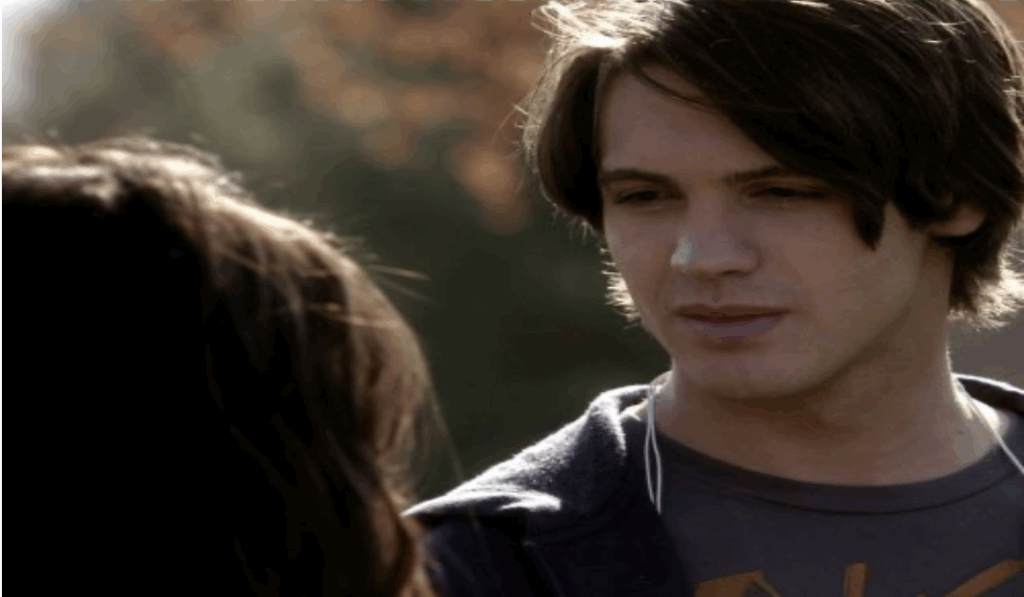
Differing from Elena’s methods, her younger brother Jeremy copes with grief by using substances such as marijuana and alcohol and distancing himself from Elena. On the first day back, the siblings had a confrontation in which Elena intervened and told Jeremy to do better. In response, Jeremy lashes out, subtly blaming her for their parents’ deaths, and rushes to the football field to smoke, trying to escape the pain he is feeling. The show does capture the youth of today accurately, showing that substance abuse in young children going through something is real, but it also negatively shows how he gets help. Rather than seeking professional help, Jeremy gets magically hypnotized by one of the Salvatore brothers. This action of taking away his choice promotes the idea that you can erase deep emotional wounds rather than getting professional help if your intentions are “good enough.” Elena prioritizes control over allowing him to develop emotionally, which is a problem with the show—denial of the true problem and avoidance of normal emotional and mental development. Although viewers can observe a variety of coping strategies through the characters, the show ultimately depicts more dysfunctional coping strategies than healthy ones.
When you consider that the show has a viewing audience of 12 to 34 year olds, specific messages, such as it’s okay to neglect your feelings, can harm this younger generation’s development. While The Vampire Diaries does a good job illustrating how everyone grows, develops, and copes differently, it highlights the negative methods more than the positive.
Another example in which the show fails to represent the importance of professional help (counselors, therapists, etc.) occurs with the character Caroline. Dealing with her sexual assault, Caroline confides in her friend Matt, and rather than seek help professionally, they seek solace in each other, which develops later into a toxic relationship. We see that Caroline’s self-worth takes a considerable toll, with her assaulter never getting prosecuted and her jumping into a relationship. However, we were never taken on a journey of her healing or emotional growth. Instead, the show brushed off those deep emotional wounds by covering them up with a new relationship, demonstrating the show’s problematic message that love can heal or erase your pain. This is also seen when another character Bonnie loses her grandma and disappears from the show for a small while.
The Vampire Diaries has many emotional and psychological twists and turns that draw an audience in. The show is phenomenal, and the actors fall seamlessly into their roles displaying their characters’ depths but not their fragile and damaged mental states. Such plot choices could misrepresent what true healing entails to a younger audience still developing grief and coping concepts. This is in contrast to shows like Sex Education, BoJack Horseman, and Euphoria where help and recovery are highlighted. The Vampire Diaries makes bad ways of coping look good by leaving out characters’ recovery journeys or leaving them to deal with their difficulties on their own. Regardless of the entertainment value, these depictions may nonetheless be damaging to a young audience, even when the show is fantasy.
Works Cited
The Vampire Diaries: The Complete First Season. Warner Bros., Warner Home Video, 2010.
“Vampire Diaries Delivers Largest Series Premiere Ratings Ever for the CW.” Seat42F, 11 Sept. 2009, https://seat42f.com/vampire-diaries-delivers-largest-series-premiere-ratings-ever-for-the-cw/. Accessed 19 May 2025.
Sebastian Barton received his degree from SUNY Cortland in 2025, with English as his major. He helped start Emblaze, a public criticism publication run by bright students, while he was a college student. He is currently an intern at Warner Brothers and CNN in Los Angeles, California.