
Bad Bunny has long been recognized as one of the most influential artists of his generation, known for reshaping global music while staying firmly rooted in his culture. Raised in Puerto Rico, he began making music independently and quickly gained attention. What set him apart early on was his refusal to change his language, image, or message to fit mainstream expectations. Instead, Bad Bunny built a career centered on authenticity, cultural pride, and connection, becoming a symbol of representation for millions of fans around the world.
That commitment to identity and inclusivity was fully realized during his Super Bowl halftime show, which has since been widely praised as a defining cultural moment. Rather than delivering a performance focused solely on hit songs, Bad Bunny used the stage to highlight the culture, history, and spirit of Puerto Rico while also sending a broader message of unity.
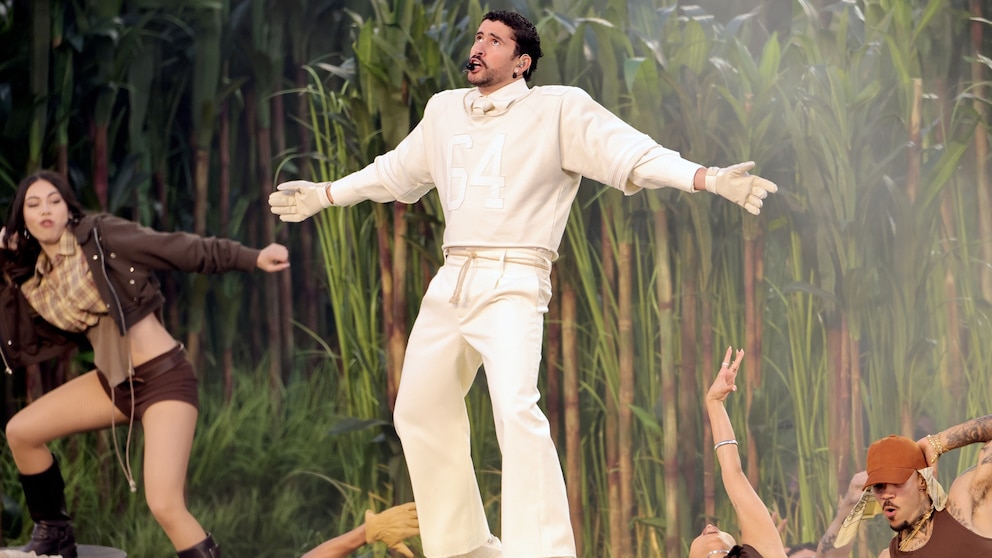
Throughout the performance, there were visuals of the Puerto Rican life and tradition. From stage designs, dancers and musicians reflecting it all. The show felt intentional and deeply personal, which made it so great to experience. Puerto Rican flags were prominently displayed, serving as a powerful symbol of pride and visibility on one of the biggest stages in the world. For many viewers, especially those form Puerto Rico and the wider Latino community, the performance represented a moment of recognition that felt long overdue.
At the same time, the halftime show extended beyond one culture alone. As the performance reached the end, flags from across the world filled the stadium, emphasizing togetherness rather than division. The big screen in the back of his performance said “the only thing more powerful than hate is love.” The messages shown throughout this show was monumental. Bad Bunny named different countries, visually and verbally acknowledging the shared connections across borders. When he ended the performance by saying “God bless America,” the message was widely interpreted as inclusive, not limited to the United States, but instead framed “America” as a collective term.
The reaction following the halftime show reflected its impact. Social media was filled with praise for how the performance celebrated the culture without compromising its authenticity, while still making space for global audience to feel included. Inclusion was all he wanted to represent.
Bad Bunny’s commercial was touching in a way to inclusion as well, emphasizing “the whole world dancing to his music” and “the world will dance”, while basically saying “if you’re mad, you’re just a hater because this music is for everyone.” He just wants everyone to feel included, with his music bringing everyone together.
https://www.instagram.com/reel/DTmPTB9ERuC/
In the context of Super Bowl halftime history, the performance stood out for its purpose. While many halftime shows focus primarily on entertainment value, Bad Bunny’s set carried a clear message about identity, pride and unity. It reinforced his broader mission as an artist: to use music as a bridge between people, culture, and communities.
In the aftermath of the Super Bowl, Bad Bunny’s halftime show is being remembered not just as a performance, but as a statement. By centering Puerto Rican culture while embracing a shared sense of belonging, he turned one of the world’s biggest entertainment moments into a celebration of connection, reminding audiences that representation and unity can exist side by side on one of the biggest stages of all.